







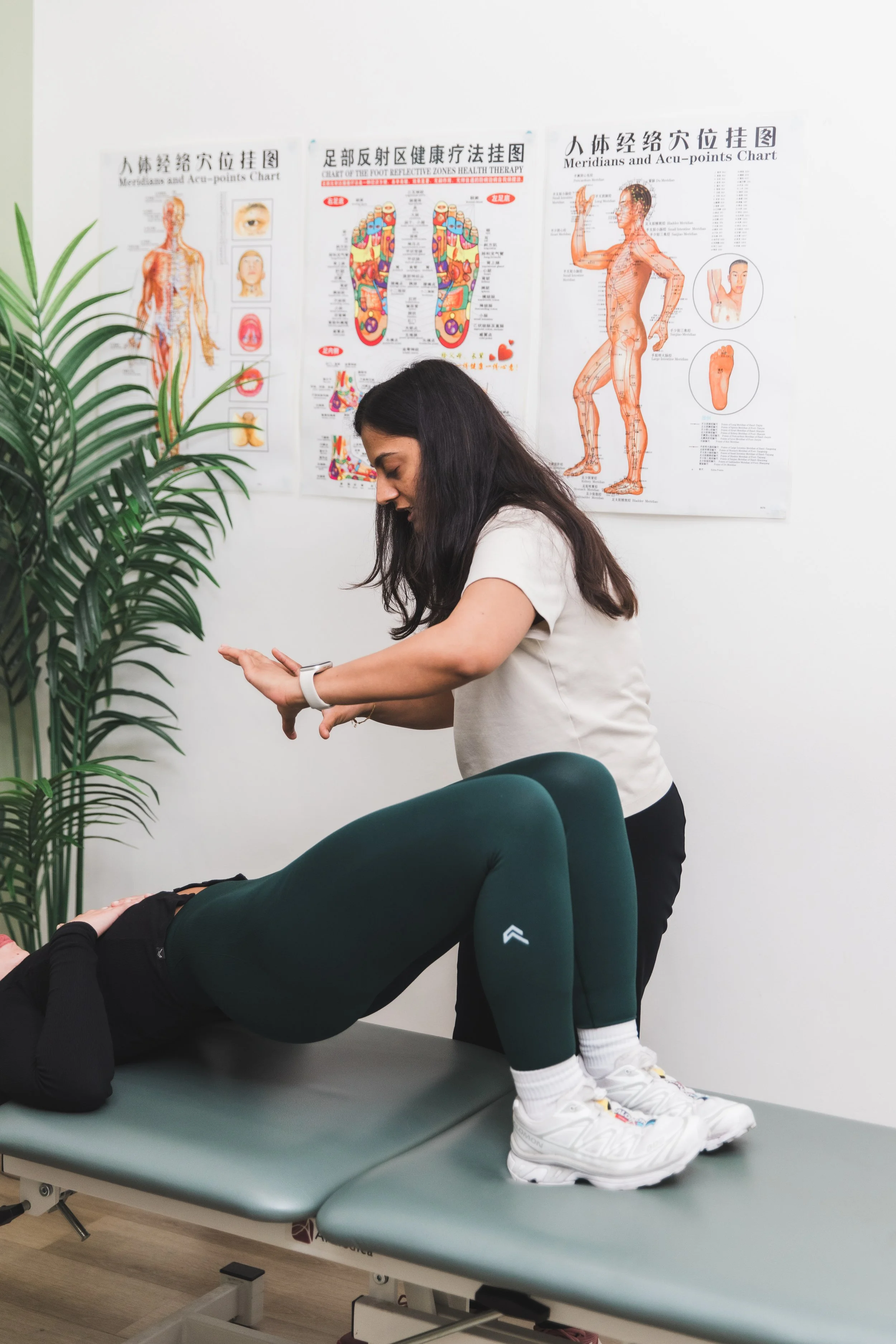
Our Approach
Our registered physiotherapists will treat the root of the problem instead of chasing your pain, while emphasizing a hands-on approach. Our approaches are geared towards your specific injury.
Our physiotherapy clinic has varied and extensive areas of care including sports physiotherapy, motor vehicle & workplace injury rehab, pre & post surgical rehab, vestibular & concussion rehabilitation & more.
Our physiotherapists will assist in your care by building a personalized home exercise program while helping you in getting an external support with the help of various orthopaedic braces and medical grade compression stockings.
Treatment Modalities
Rehab exercises
Manual therapy
Mobilization
Electro physical stimulation & modalities (IFC/ultrasound)
Strength, mobility, and functional training
Ergonomic assessments & advice
Cupping
Sports tape
Acupuncture
Gait Assessment
Pilates-Based Rehab (Starting August 2026)
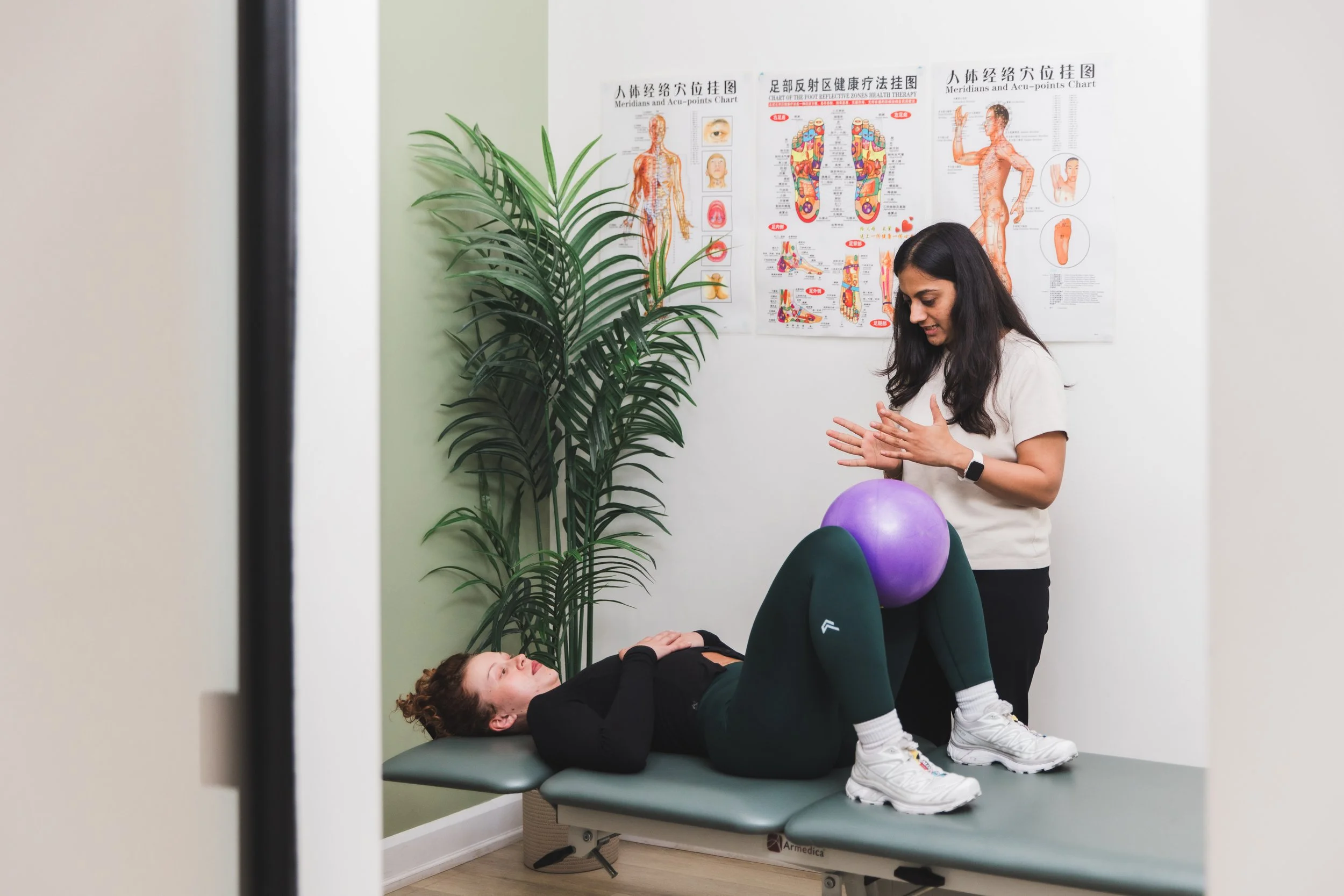
Pilates-Based Rehabilitation combines the principles of clinical Pilates with evidence-informed physiotherapy to help individuals recover from injury, reduce pain, and restore optimal movement. This individualized approach focuses on improving core stability, posture, strength, flexibility, balance, and movement control to support safe and effective rehabilitation.
Programs are tailored to each patient's condition, goals, and stage of recovery. Whether you are recovering from surgery, managing chronic back or neck pain, rehabilitating a sports injury, or addressing postural or movement dysfunction, Pilates-based rehabilitation can help improve function, prevent re-injury, and enhance overall physical performance.
Working closely with your physiotherapist, each session incorporates targeted exercises that promote proper movement patterns, increase body awareness, and build strength in a progressive and supportive environment. Suitable for a wide range of conditions and fitness levels, Pilates-Based Rehabilitation empowers patients to move with greater confidence and return to the activities they enjoy.
Pelvic Floor Physiotherapy (New Service)
Pelvic floor physiotherapy is a specialized form of physical therapy focused on assessing and treating the muscles, ligaments, and connective tissues that support the bladder, uterus/prostate, and bowel. These muscles—known as the pelvic floor—play a key role in bladder and bowel control, sexual function, and core stability.
Pelvic floor physiotherapy can help manage a wide range of conditions, including:
Urinary or fecal incontinence
Pelvic organ prolapse
Pelvic pain or pressure
Pain during intercourse
Prenatal and postpartum recovery
Core weakness or instability
Overall, the goal is to restore optimal function, reduce symptoms, and improve quality of life in a safe, respectful, and individualized way.
PHYSIOTHERAPY FAQS
-
Physiotherapy is a health care profession concerned with human function, movement and maximizing physical potential. It is concerned with assessing and maximizing quality of life and movement potential within the spheres of promotion, prevention, treatment/intervention, and rehabilitation.
Good posture, strong muscles, and strong joints help to maintain balance, flexibility, endurance, and pain avoidance. Physiotherapy treatments seeks to alleviate pain, strengthen muscles, and enhance mobility.
-
We do not offer OHIP covered physiotherapy at this time.
We are happy to take you in and direct bill you under your extended health insurance.
-
If you can't move a joint past a certain point and it's impacting your daily life, or after a prolonged illness or during/after an illness that impacts mobility, balance, or motor skills, it is time to see a physiotherapist. Our physiotherapists will assess your flexibility problems and recommend stretches and exercises to relax your muscles and strengthen tissue around the affected area to improve flexibility.
-
You do not need a prescription from your doctor to see a physiotherapist. However, some insurance policies do require a prescription to have your session covered by them. If you're not sure if your insurance policy does, please contact them prior to your initial assessment to make sure.
-
Your first visit includes a thorough assessment of your symptoms, medical history, posture, breathing, and movement patterns. With your consent, the therapist may perform an external and/or internal examination to assess pelvic floor muscle function.
-
Wear comfortable clothing that allows easy movement. You may be asked to change into a gown depending on the assessment.


PRICES
