
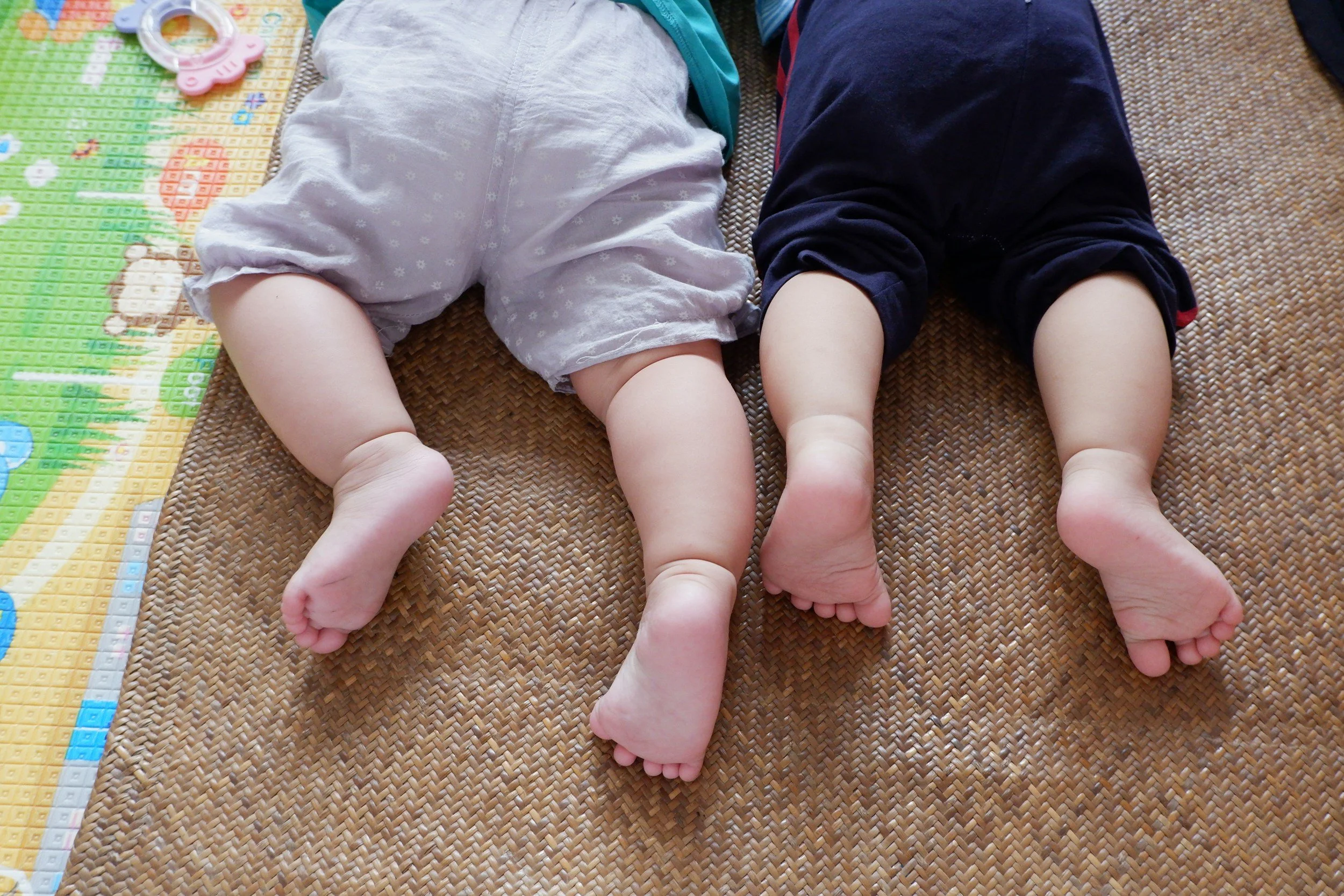
Pediatric Osteopathy & Massage in Toronto

At Circle Care in Toronto, we offer gentle pediatric osteopathy and pediatric massage therapy to support your baby or child’s comfort and development. If you’ve noticed issues such as torticollis, flat head syndrome (plagiocephaly), reflux, colic, feeding difficulties, sleep challenges, or muscle tension, you’re not alone and there are safe, supportive options available.
Our team provides hands-on care that is adapted to each stage of growth, helping relieve tension, improve mobility, and support your child’s natural balance in a calm and nurturing environment.
Pediatric Osteopathy for Babies & Children
Pediatric osteopathy is a gentle, hands-on approach designed to support babies and children as they grow. In Toronto, many parents seek osteopathic care for concerns that may arise after birth or during early development. Treatment is tailored to your child’s age, comfort level, and specific needs.
Our osteopath works to identify areas of tension or imbalance in the body that may be contributing to discomfort, feeding challenges, digestive concerns, or sleep disruption. Techniques are very light and adapted specifically for infants and young children.
Common Conditions Treated by an Osteopath
Pediatric osteopathy at Circle Care may help support:
Congenital Torticollis
A head position asymmetry often caused by compression during birth. Gentle osteopathic techniques help restore neck mobility and reduce the risk of long-term postural issues.
Plagiocephaly (Flat Head Syndrome) in Babies
A common cranial deformation due to prolonged positioning on one side. Treatment helps rebalance cranial tension and support symmetrical skull development.
Gastroesophageal Reflux (GERD) and Colic in Babies
Digestive discomfort and reflux may be influenced by tension in the diaphragm and surrounding structures. Osteopathy works to improve mobility and ease discomfort.
Feeding Issues
Challenges such as difficulty latching, crying during breastfeeding, or tiring quickly at the breast/bottle may be due to jaw, palate, or neck tensions. Osteopathy enhances the mobility of these structures for a more comfortable feeding experience.
Digestive Problems
Irregular bowel movements, painful gas, or constipation can result from abdominal or pelvic tension. Osteopathic care supports intestinal mobility and relief from digestive discomfort.
Sleep Difficulties in Babies and Young Children
Restless sleep or difficulty settling may be linked to physical body tension. Treatment encourages relaxation and supports more restful sleep.
Recurrent Infections
Frequent ear infections, rhinitis, or bronchiolitis may benefit from techniques that support drainage and cranial mobility.
For more information about osteopathic care for adults and older children, visit our Osteopathy page.
Pediatric Massage Therapy for Babies & Children
Pediatric massage therapy at Circle Care in Toronto provides gentle, age-appropriate treatment designed to support your child’s comfort and overall well-being. Sessions are always adapted to your baby or child’s age, temperament, and individual needs, creating a safe and nurturing environment for care.
Massage therapy can be a helpful supportive option for babies, toddlers, and children experiencing muscle tension, digestive discomfort, sleep challenges, or postural concerns. Treatments are child-led and flexible, with parents encouraged to remain present throughout the session.
Common Conditions Treated by a Registered Massage Therapist
Pediatric massage may help support:
Muscle Tension or Stiffness
Gentle techniques help release tight muscles and improve overall mobility.
Colic, Gas, and Digestive Discomfort
Massage can support abdominal comfort and relaxation, helping ease digestive tension.
Sleep Difficulties
By encouraging relaxation and calming the nervous system, massage may help improve sleep patterns.
Growing Pains
Massage can provide comfort and support during periods of rapid growth.
Postural Imbalances
Treatment may help address mild tension patterns that affect posture and movement.
Developmental Support
Massage can encourage healthy movement patterns and body awareness as children grow.
General Relaxation and Stress Reduction
Sessions provide a calm environment that supports emotional regulation and overall well-being.
Massage therapy is supportive care and does not replace medical treatment.
For adult and therapeutic massage services, visit our Registered Massage Therapy page.
Our Team

Mohamed-Amin
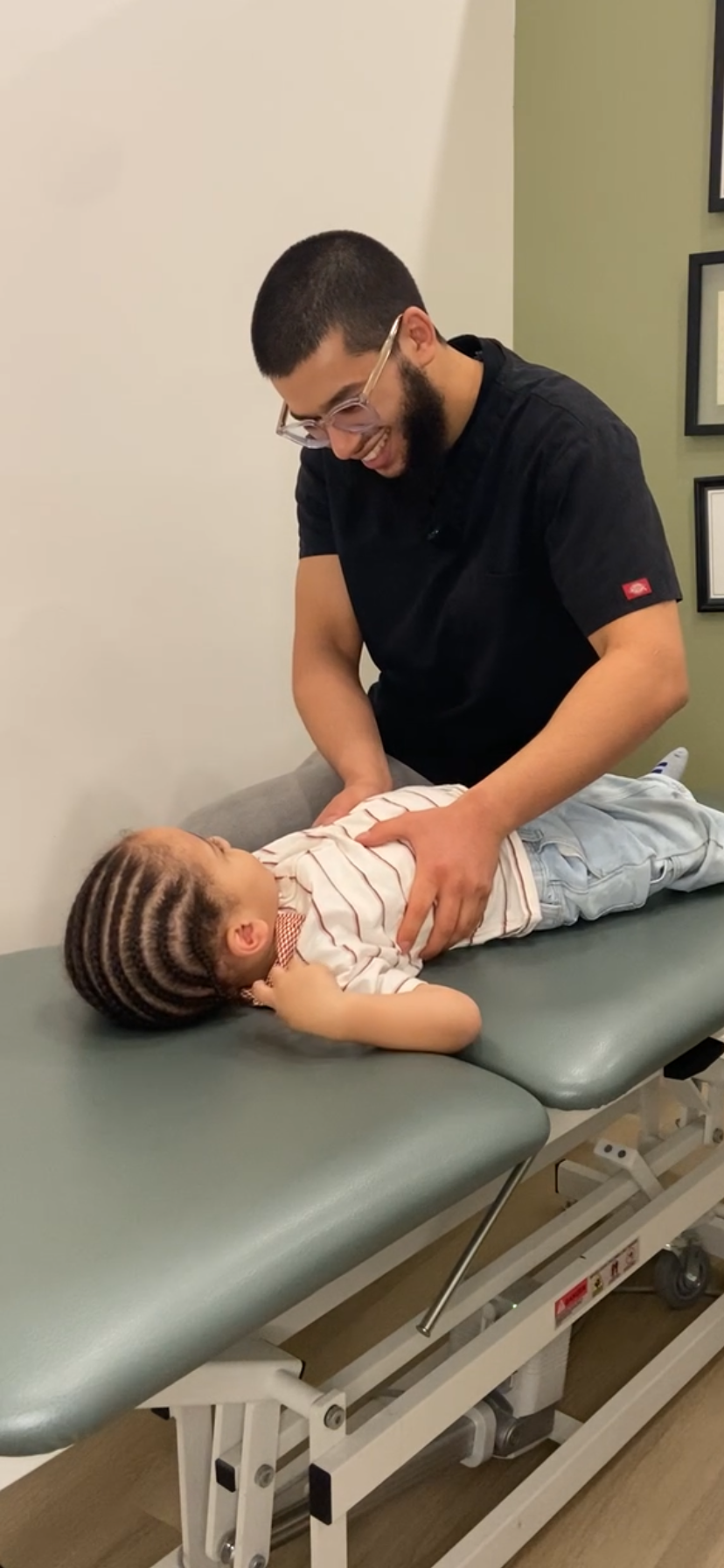
OsteopathMohamed-Amin has advanced training in pediatric osteopathy, allowing him to provide safe and effective care for babies. His approach is tailored to the specific needs of each developmental stage.
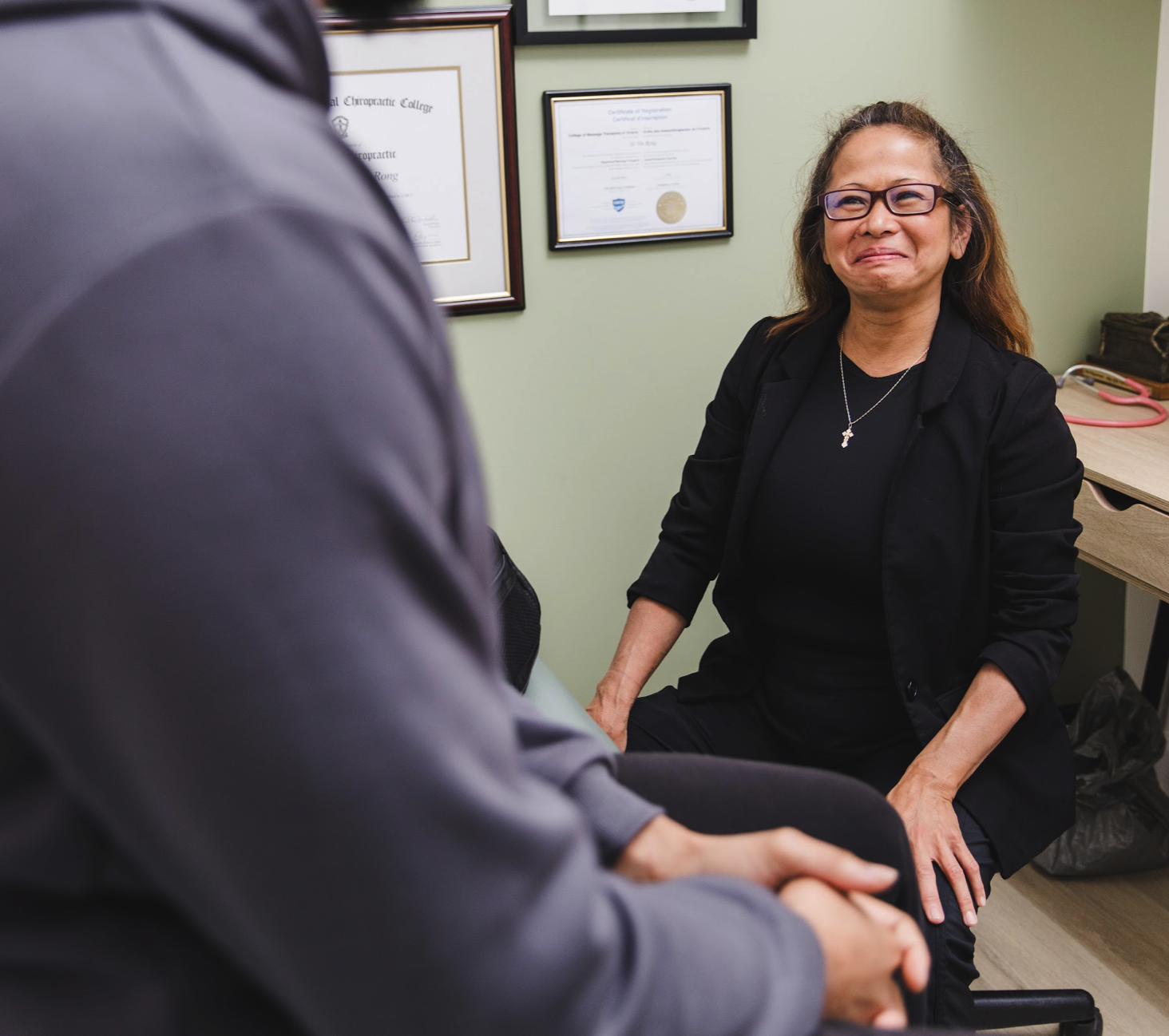
She is a nurturing massage therapist who specializes in working with babies and toddlers, appreciating the gentle care their growing bodies require. She enjoys guiding parents with hands-on education and practical home-care tips, helping families support their children’s comfort and well-being beyond the treatment room.
Registered Massage Therapist Melody
Frequently Asked Questions- Pediatric Osteopathy
-
Pediatric osteopathy is a gentle, hands-on approach designed to support babies, toddlers and children as they grow and develop. Techniques are adapted to be very light and safe, focusing on improving movement, comfort, and overall balance in the body.
-
Birth can sometimes lead to physical tensions or imbalances, particularly if the delivery was long, difficult, or involved medical interventions such as forceps, vacuum extraction, or a C-section. Pediatric osteopathy addresses these issues by releasing tension and supporting your baby’s natural development. This approach is particularly helpful in alleviating a variety of common conditions.
-
Each session begins with a conversation with the parents to understand the baby’s birth history and any current symptoms. The osteopath then performs gentle, precise manipulations that are completely painless and tailored to your newborn’s delicate body. The goal of the session is to restore balance and promote well-being through a smooth and comforting process.
-
We recommend scheduling a session with an osteopath in the first few weeks of life, particularly if the birth was difficult or if you notice signs of discomfort or tension in your baby. Follow-up sessions can be beneficial as your baby reaches important developmental milestones, such as gaining head control, rolling over, or walking.
-
Yes. Pediatric osteopathy uses extremely gentle techniques that are appropriate for infants, toddlers, and children. Treatments are always tailored to the child’s age, size, and individual needs.
-
Only to the extent that is comfortable. Many assessments and treatments can be done with your baby partially clothed or in a nappy, while keeping them warm and settled.
-
This varies depending on your child’s presentation and response to treatment. Some babies may benefit from just one or two sessions, while others may need ongoing support. Your osteopath will discuss a tailored plan with you.
Frequently Asked Questions- Pediatric Massage
-
Pediatric massage therapy is a gentle, age-appropriate form of massage designed specifically for babies, toddlers, and children. Techniques are adapted to support growth, comfort, relaxation, and overall well-being.
-
Yes. When performed by a qualified practitioner trained in pediatric care, massage therapy is very safe. Pressure and techniques are always adjusted to suit your child’s age, size, and individual needs.
-
Sessions are typically shorter than adult treatments. Babies and toddlers may only tolerate 15–30 minutes, depending on their comfort and mood. Sessions are always child-led and flexible.
-
Yes. Parents or caregivers are encouraged to be present at all times. This helps children feel safe and allows parents to observe techniques and ask questions.
-
Only to the level that is comfortable for both the child and parent. Massage can be performed over clothing or with specific areas exposed while maintaining warmth and modesty.
-
That’s completely okay. Sessions are adapted to your child’s cues. Sometimes education, gentle touch, or parent instruction replaces hands-on treatment if that’s what your child needs that day.
-
If oils are used, they are child-safe, gentle, and hypoallergenic. Parents will always be informed and can opt out if preferred.
-
Yes. Parent education is a key part of pediatric massage. Simple, safe techniques are taught so parents can confidently support their child’s care at home.
-
Frequency depends on your child’s needs and goals. Some families come occasionally for support, while others choose more regular sessions. This can be discussed during your visit.
-
In most cases, no referral is required. However, pediatric massage therapy works best alongside your child’s healthcare team, and referrals are welcome if provided.